
The Supermarket Apple's Silent Scream: How Industrial Food Severed Our Seasonal Soul
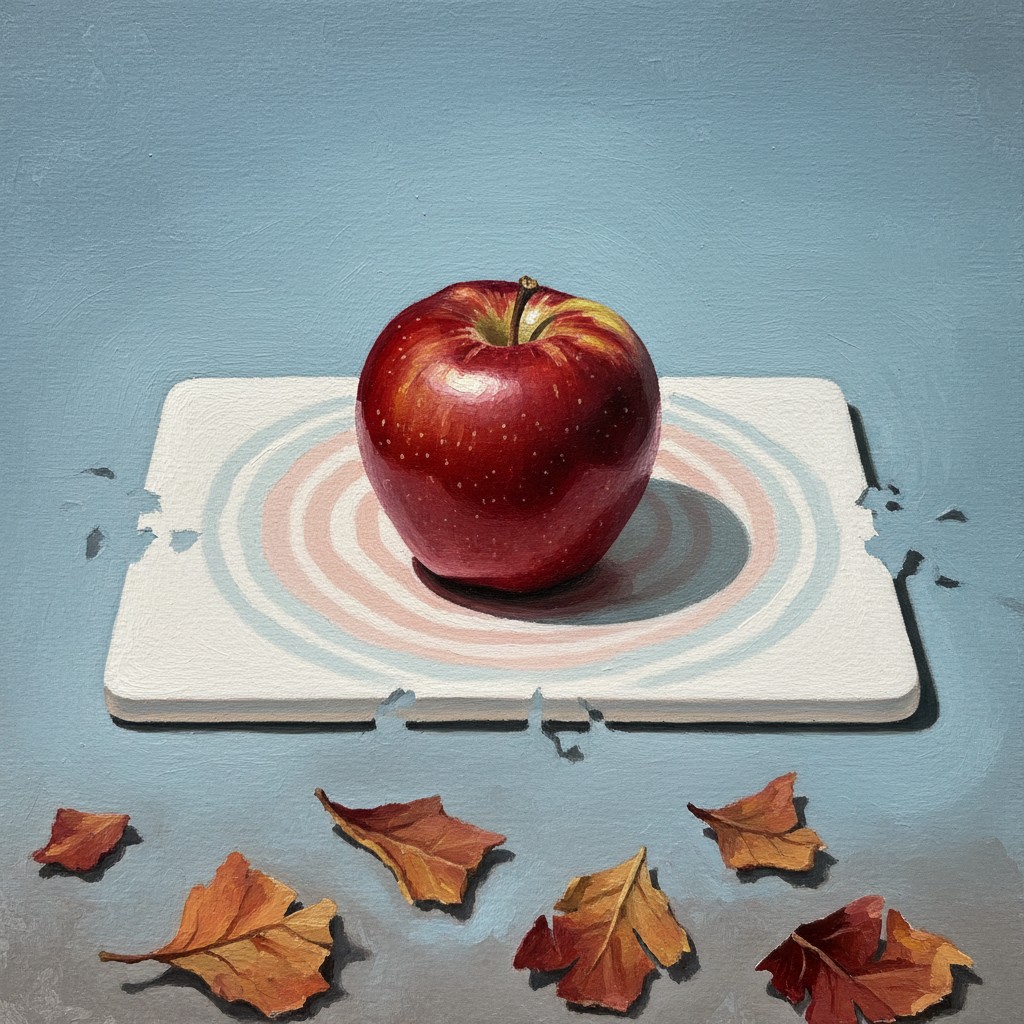
Picture a Honeycrisp apple glowing under fluorescent lights in January.
Perfect skin. Waxed surface. No bruises. It sits in a climate-controlled display case, divorced from season, from soil, from the tree that birthed it eight months ago in an industrial orchard 2,000 miles away. This apple represents the greatest nutritional tragedy of our time—not because it lacks vitamins, but because it has been stripped of its seasonal intelligence.
That apple was meant to ripen in September. To carry the concentrated solar energy of late summer. To signal to your body that autumn's approach required fat storage, immune preparation, and the gradual metabolic shift toward winter's deep rest.
Instead, it whispers lies.
The Electromagnetic Signature of Seasons
Every food carries what researchers call a "seasonal electromagnetic signature"—a complex matrix of phytonutrients, mineral ratios, and bioactive compounds that shift based on soil temperature, daylight duration, and the plant's position in its natural growth cycle. Spring greens emerge with bitter compounds that stimulate liver detoxification after winter's stagnation. Summer fruits explode with antioxidants and simple sugars that fuel high activity and protect against UV radiation. Autumn's roots and squashes concentrate complex carbohydrates and warming spices that prepare the nervous system for winter's introspection.
Your gut microbiome recognizes these signatures. Research from Stanford's microbiome lab reveals that seasonal eating patterns create distinct bacterial populations—winter communities optimized for fat metabolism and immune vigilance, summer populations specialized for rapid carbohydrate processing and heat adaptation.
But that January apple? Its microbiome died months ago in cold storage. Its electromagnetic signature has been scrambled by synthetic ripening agents and preservative coatings. Your ancestral gut bacteria—the ones that evolved alongside seasonal food cycles for millennia—literally cannot read its chemical language.
When the Jaguar Forgets How to Hunt
In shamanic cosmology, the Jaguar of the West represents our primal instincts, our ability to sense what the body needs before the mind understands. Indigenous healers speak of "seasonal hunger"—the body's innate wisdom that craves warming foods as daylight shortens, cooling foods as temperature rises, cleansing foods as spring energy awakens.
This instinct operates through the vagus nerve, which connects directly to the enteric nervous system—your gut's independent neural network. When you encounter seasonal food, the vagus nerve reads its chemical signature and initiates appropriate metabolic responses. Spring dandelions trigger choleretic reflexes that flush winter's accumulated toxins. Summer berries activate antioxidant enzyme systems. Autumn nuts stimulate adipose tissue preparation for winter's energy demands.
But industrial food production has weaponized this ancient wisdom against us.
That supermarket apple triggers summer metabolic pathways in January—signaling your body to store fat while simultaneously demanding energy for nonexistent summer activities. Your nervous system receives conflicting seasonal messages: the light outside says winter, but the food says summer abundance. This metabolic confusion underlies much of what functional medicine calls "seasonal affective metabolic disorder"—the modern epidemic of winter weight gain, energy crashes, and immune dysfunction.
The Soul's Seasonal Compass
From the Hummingbird perspective—the realm of soul and meaning—seasonal eating represents something far more profound than nutrition. It's how consciousness stays connected to place, to the living intelligence of the earth itself.
Consider the Vedantic concept of rtu-charya—the ancient practice of aligning daily rhythms with seasonal cycles. The Charaka Samhita describes how different seasons activate different aspects of consciousness: winter's kapha energy supports deep contemplation and immune building, spring's kapha-to-pitta transition enables creative breakthrough and cellular renewal, summer's pitta dominance fuels focused action and metabolic intensity.
When we eat seasonally, we participate in what yogic texts call "the cosmic conversation"—the ongoing dialogue between individual consciousness and universal intelligence. Each seasonal food carries specific prana (life force energy) that attunes our subtle energy body to earth's electromagnetic rhythms.
But industrial agriculture has severed this conversation.
That January apple carries no seasonal story. No connection to the soil community that nurtured it. No energetic signature of autumn's preparation for winter's depth. Eating it is like reading a book with all the pages rearranged—you get nutrients, but you lose the narrative thread that connects your body to the larger story of the earth's seasonal unfoldment.
The Luminous Field of Local Food
Shaman healers who work with the luminous energy field—the electromagnetic blueprint that surrounds and interpenetrates the physical body—observe that seasonal, local food carries what they call "place medicine." Food grown within 50 miles of where you live resonates with the same geological frequencies, seasonal light patterns, and atmospheric conditions that shape your own energy field.
This creates what researchers now term "bioregional coherence"—the alignment between human physiology and local ecosystem rhythms. Studies from the Institute of HeartMath demonstrate that people who eat primarily local, seasonal food show increased heart rate variability and improved circadian rhythm coherence compared to those eating industrial, out-of-season produce.
The mechanism involves what yogic science calls the pranamaya kosha—the energetic body that regulates breath, circulation, and nervous system function. Seasonal food attunes this energy layer to earth's natural cycles, supporting what Ayurveda describes as "cosmic metabolic flexibility"—the body's ability to shift metabolic strategies based on seasonal demands.
Remembering the Seasonal Body
To heal this severed connection requires more than changing what we eat. It demands remembering how to feel the seasonal body from the inside.
Begin with pranayama practice that follows seasonal rhythms. Winter calls for longer, slower breathing patterns that support parasympathetic dominance and deep rest—try sama vritti (equal breathing) with extended exhales. Spring benefits from energizing practices like bhastrika (bellows breath) that support liver detoxification and metabolic awakening. Summer thrives with cooling pranayama like sheetali (cooling breath) and moon breathing through the left nostril.
Pay attention to how different seasonal foods affect your energy field. Spring's bitter greens should create a sense of upward-moving energy and mental clarity. Summer fruits should generate bright, dispersed energy and natural cooling. Autumn's roots and warming spices should create grounding, centering sensations that prepare the nervous system for winter's inward turn.
Most importantly, practice what shamanic traditions call "eating with ceremony." Before consuming any food, pause to sense its seasonal story. Where did it grow? When was it harvested? What part of the earth's seasonal cycle does it represent? This simple practice begins to restore the sacred conversation between your body and the living intelligence of the land.
The supermarket apple may have forgotten its seasonal song, but your body still remembers how to listen for the earth's ancient rhythms. The path back to metabolic wisdom begins with learning to hear them once again.
Ready to reconnect with your body's seasonal intelligence? Start by sourcing one seasonal, local food this week and eating it with full ceremonial presence. Notice how it affects not just your digestion, but your energy, mood, and sense of connection to place.
Frequently Asked Questions
How can I tell if a food carries seasonal intelligence versus industrial processing?
Seasonal foods have natural imperfections, varied sizes, and availability that follows local growing cycles. They often require minimal processing and spoil relatively quickly. Industrial foods maintain perfect appearance year-round, have extended shelf life through preservatives, and are available regardless of local growing seasons. Most importantly, seasonal foods create different energetic sensations in your body based on when you eat them.
What's the difference between eating seasonally and just buying organic food?
Organic certification addresses pesticide and chemical concerns but doesn't guarantee seasonal alignment. An organic apple shipped from Chile in winter still carries the wrong electromagnetic signature for your local season. True seasonal eating means consuming food grown in your bioregion during its natural harvest time, which supports both soil health and your body's seasonal metabolic needs.
Can seasonal eating patterns help with conditions like seasonal depression or winter weight gain?
Research suggests that seasonal eating supports circadian rhythm coherence and proper melatonin production, both crucial for mood regulation. Winter foods naturally support different neurotransmitter pathways than summer foods. Many people experience improved energy stability and reduced seasonal mood swings when they align their eating patterns with local seasonal cycles, though this should complement, not replace, other therapeutic approaches.
Vishnu Das (William Le)
Wellness coach with over a decade of emergency and rural medicine experience. Certified yoga instructor and shamanic wisdom practitioner. Vishnu Das bridges functional wellness, yogic philosophy, and earth-based healing traditions to help clients find the root patterns — and the deeper meaning — of their health journey.
Learn moreThis article was written with the assistance of AI under the editorial oversight of Vishnu Das (William Le). All information is reviewed for accuracy, but this content is for educational purposes only and does not constitute medical advice. Always consult a qualified healthcare provider for medical concerns.
Continue Reading
When Food Becomes Prayer: The Neurobiology of Sacred Eating
Ancient feeding ceremonies reveal why modern eating disorders stem from broken communion between consciousness and nourishment—and how ritual restores metabolic wisdom.
Detox Pathways as Consciousness Gateways: The Cellular Clearing
When cellular detoxification fails, consciousness fragments. Research reveals how xenobiotic clearance determines spiritual discernment.
Your Food Has Been Chemically Lobotomized: The Consciousness Theft
Industrial agriculture doesn't just contaminate nutrition—it severs the electromagnetic dialogue between consciousness and living intelligence.
Your Healing Journey Starts Here
Book a complimentary Discovery Call to explore root-cause wellness with an experienced guide.
Book a Discovery Call