
The Emotional Endocrine Map: Five Elements as Modern Hormone Decoder
The Emotional Endocrine Map: Five Elements as Modern Hormone Decoder
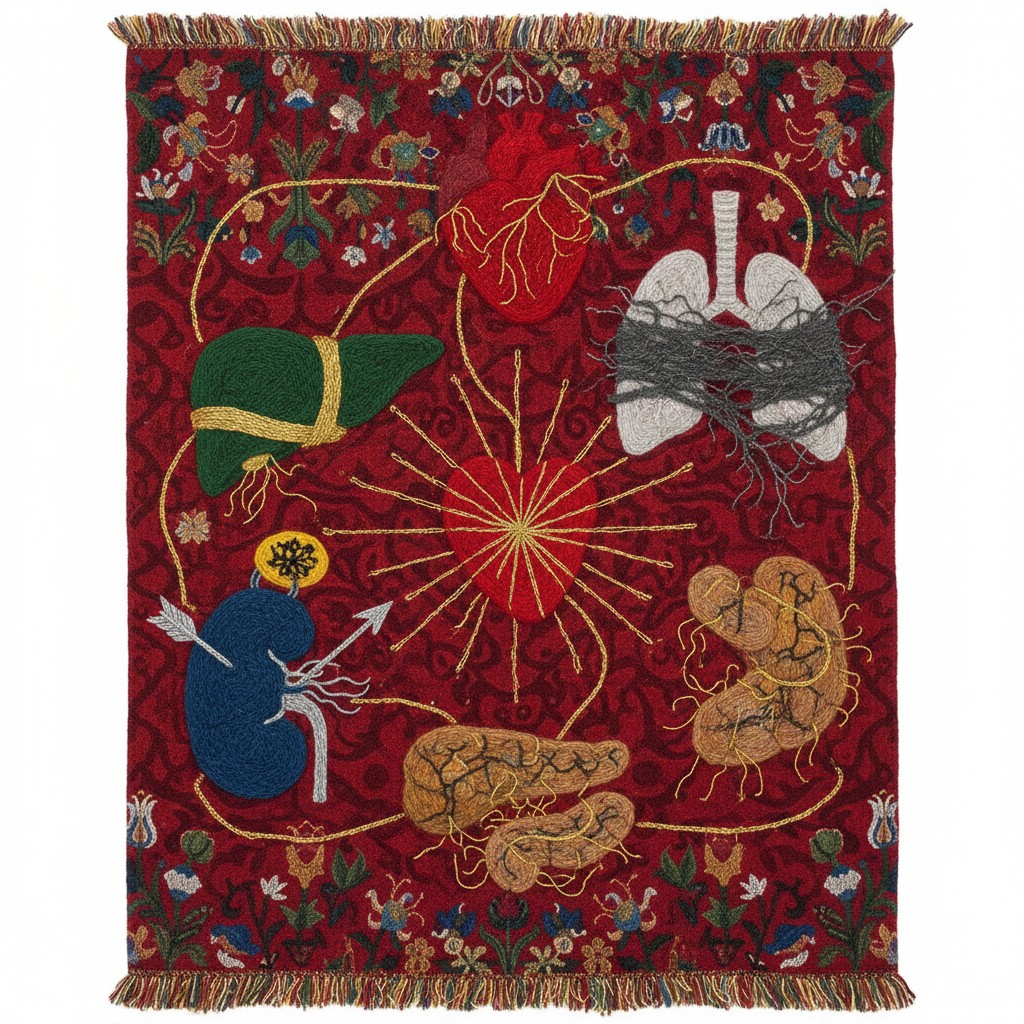
The Five Element theory of Traditional Chinese Medicine reads like a technical manual for psychoendocrine dysfunction. Each emotional pattern—fear depleting the kidneys, anger stagnating the liver, grief weakening the lungs—maps with startling precision onto specific HPA axis cascade failures that functional medicine practitioners see daily in cortisol awakening response graphs and inflammatory marker panels.
This is not metaphorical correlation. This is two diagnostic systems examining the same circuitry from different angles—one through emotional patterns and organ correspondences developed over millennia of clinical observation, the other through hormone assays and neural pathway mapping developed in the last century of laboratory research. The convergence is so exact it suggests both traditions discovered the same underlying architecture of how consciousness shapes physiology.
Consider someone trapped in chronic worry. TCM identifies this as Earth element imbalance—excessive pensiveness weakening the Spleen-Pancreas system. Modern endocrinology reveals the mechanism: rumination activates the anterior cingulate cortex and default mode network, triggering sustained cortisol release that disrupts insulin sensitivity, impairs digestive enzyme production, and creates the exact symptom pattern TCM calls "Spleen Qi Deficiency"—bloating, fatigue, sugar cravings, loose stools.
The Five Elements function as an emotional-endocrine decoder ring. Each element represents a complete psychophysiological system where specific emotional patterns create predictable organ dysfunction through measurable hormonal pathways.
Water Element: The Fear-Kidney-Adrenal Axis
Fear depletes the kidneys. This foundational TCM principle maps directly onto the modern understanding of chronic stress and adrenal dysfunction. The kidneys in Chinese medicine encompass what Western physiology divides into renal function, adrenal function, and reproductive hormones—the entire hypothalamic-pituitary-adrenal-gonadal axis.
Chronic fear activates the amygdala, triggering sustained cortisol release from the adrenal cortex. Prolonged elevation leads to the cascade familiar to functional medicine practitioners: cortisol dysregulation, DHEA depletion, aldosterone imbalance affecting mineral regulation, and eventual "adrenal fatigue"—the exact pattern TCM describes as Kidney Yang Deficiency.
The shamanic perspective recognizes fear as hucha—heavy energy that accumulates in the luminous energy field when we cannot process threatening experiences. Fear literally weighs down the water element, creating the cold, depleted, weak constitution that both traditions identify. In yogic terms, this manifests as muladhara chakra imbalance—the root center governing survival, security, and the adrenal response.
Kidney Yin Deficiency—the pattern of night sweats, insomnia, anxiety, and hormone depletion—correlates precisely with late-stage HPA axis dysfunction where cortisol production becomes erratic and sex hormone synthesis is compromised. The acupuncture point Kidney 3 (Taixi), located between the Achilles tendon and medial malleolus, directly influences the posterior tibial nerve and has documented effects on cortisol regulation and sleep architecture.
Specific practices for Water element restoration include pranayama techniques that activate the parasympathetic nervous system—particularly bhramari (humming bee breath) which stimulates vagal tone, and yogic practices that ground the root chakra like malasana (yogic squat) and balasana (child's pose).
Wood Element: The Anger-Liver-Detox Connection
Anger stagnates the liver. This TCM axiom reveals the psychoendocrine mechanism behind stress-induced detoxification dysfunction. Anger—whether expressed or suppressed—activates the sympathetic nervous system and triggers inflammatory cascades that directly impair hepatic function.
Chronic anger elevates inflammatory cytokines (IL-6, TNF-alpha, CRP) and depletes glutathione—the liver's primary antioxidant. This creates the exact pattern TCM calls Liver Qi Stagnation: irritability, headaches, digestive issues, hormone imbalances, and chemical sensitivities. The liver's role in hormone metabolism means that anger-induced liver dysfunction manifests as estrogen dominance, testosterone imbalance, and thyroid dysfunction.
The Wood element governs what Ayurveda calls pitta dosha—the fire principle that regulates metabolism and transformation. When anger burns too hot, it depletes ojas (vital essence) and creates the inflammatory heat that both traditions recognize as pathological. Shamanic medicine identifies this as excess fire energy that needs to be ceremonially released through practices like fire ceremony or breathwork.
Liver Blood Stasis—the pattern of fixed abdominal masses, severe menstrual pain, and dark clotted blood—correlates with chronic inflammatory states that create actual vascular congestion and endothelial dysfunction. The acupuncture point Liver 3 (Taichong), located between the first and second metatarsals, regulates the deep peroneal nerve and has measurable effects on hepatic blood flow and inflammatory markers.
Restoring Wood element balance requires practices that move stagnant energy: dynamic yoga sequences like surya namaskara, pranayama techniques like kapalabhati (skull-shining breath), and emotional release work that allows anger to transform into appropriate action rather than stagnant resentment.
Fire Element: The Joy-Heart-Cardiovascular Network
Excessive joy scatters the heart. This seemingly paradoxical TCM principle maps onto modern understanding of manic states, anxiety disorders, and cardiovascular stress patterns. The Fire element governs not just joy but all mental-emotional activity—what neuroscience calls executive function, emotional regulation, and social cognition.
Manic or hypomanic states—characterized by excessive enthusiasm, racing thoughts, and poor judgment—create the exact pattern TCM calls Heart Fire Blazing: insomnia, palpitations, anxiety, and scattered attention. This correlates with dopamine dysregulation, elevated norepinephrine, and the cardiovascular stress patterns seen in anxiety disorders.
Conversely, Heart Blood Deficiency—the pattern of palpitations, poor memory, pale complexion, and emotional numbness—maps onto depression with its characteristic alterations in brain-derived neurotrophic factor (BDNF), serotonin dysfunction, and reduced heart rate variability.
The Fire element encompasses what yoga philosophy calls anahata chakra—the heart center governing love, connection, and emotional intelligence. When this center is either excessive (mania, anxiety) or deficient (depression, disconnection), the entire system becomes unbalanced. Shamanic medicine recognizes the heart as the seat of personal power and emotional sovereignty—when scattered by excessive stimulation or depleted by chronic stress, it cannot maintain the coherent energy field necessary for health.
The acupuncture point Heart 7 (Shenmen), located on the ulnar side of the wrist crease, directly affects the ulnar nerve and has documented effects on heart rate variability and emotional regulation.
Earth Element: The Worry-Spleen-Digestive Matrix
Worry weakens the spleen. This TCM principle reveals the gut-brain axis mechanism that functional medicine has extensively documented. Chronic worry and rumination activate the default mode network, creating sustained stress responses that directly impair digestive function.
The Spleen in TCM encompasses pancreatic function, small intestine absorption, and what Western medicine calls the enteric nervous system—the "second brain" that regulates digestion through complex neural and hormonal signaling. Chronic worry disrupts this system through multiple pathways: cortisol impairs digestive enzyme production, stress reduces beneficial gut bacteria, and anxiety alters gut motility.
Spleen Qi Deficiency—the pattern of fatigue after eating, loose stools, bloating, and sugar cravings—correlates precisely with functional digestive disorders, insulin resistance, and the microbiome dysfunction that creates leaky gut syndrome. The emotional pattern of excessive pensiveness literally creates the physiological dysfunction that manifests as digestive symptoms.
This maps onto manipura chakra in yogic anatomy—the solar plexus center governing personal power, digestion, and metabolic fire. When scattered by worry, this center cannot maintain the digestive fire (agni) necessary for proper transformation of food into energy.
Shaminically, worry represents a form of mental hucha—repetitive thought patterns that drain vital energy and prevent presence. The Earth element requires grounding practices that bring consciousness out of mental loops and into embodied awareness.
The acupuncture point Stomach 36 (Zusanli), located below the knee on the lateral leg, stimulates the deep peroneal nerve and has documented effects on digestive enzyme production and gut motility.
Metal Element: The Grief-Lung-Immune Triangle
Grief weakens the lungs. This TCM correlation reveals the psychoneuroimmunology research showing how unprocessed loss creates respiratory and immune dysfunction. Grief activates inflammatory pathways, suppresses natural killer cell activity, and creates the exact pattern TCM calls Lung Qi Deficiency: frequent infections, shortness of breath, and immune weakness.
The Metal element governs what Western medicine divides into respiratory function and immune regulation—but TCM recognizes these as aspects of a single system. Chronic grief depletes what Ayurveda calls prana—the vital energy that governs breath, circulation, and life force. When grief is not properly processed, it creates energetic contraction that manifests as actual respiratory restriction and immune suppression.
Lung Yin Deficiency—the pattern of dry cough, night sweats, and chronic low-grade inflammation—correlates with the autoimmune patterns that often emerge after significant loss. Unprocessed grief literally creates the inflammatory milieu that triggers autoimmune dysfunction.
The shamanic understanding recognizes grief as a necessary process for releasing what no longer serves and creating space for new energy. When grief becomes stuck, it transforms into what the Four Winds tradition calls crystallized energy—frozen patterns that prevent the natural flow of life force.
The acupuncture point Lung 9 (Taiyuan), located at the radial artery pulse point, affects the median nerve and has measurable effects on respiratory function and immune markers.
Reading Your Own Emotional-Endocrine Map
This integrated framework provides a diagnostic tool that works in both directions. Physical symptoms reveal emotional patterns: chronic digestive issues suggest unresolved worry (Earth element), recurrent infections point to unprocessed grief (Metal element), cardiovascular symptoms indicate scattered mental energy (Fire element).
Emotional patterns predict physiological dysfunction: persistent anger will eventually manifest as liver-related symptoms, chronic fear depletes adrenal function, excessive worry creates digestive disorders.
The key insight is that both systems—ancient and modern—recognize the same fundamental truth: consciousness shapes physiology through measurable, predictable pathways. Emotions are not separate from biochemistry; they are biochemistry expressed through the lens of subjective experience.
Practical application begins with honest self-assessment. Which emotional patterns dominate your inner landscape? Which physical symptoms persistently manifest? The Five Element framework reveals the connections and suggests both the Western interventions (targeted supplements, hormone support, lifestyle modifications) and the Eastern approaches (acupuncture points, herbal formulas, qigong practices) that address the root pattern.
The ultimate teaching of this integrated map is that healing requires addressing both the biochemical dysfunction and the emotional pattern that creates it. Supporting adrenal function while ignoring chronic fear provides temporary relief. Processing grief while neglecting immune support misses the physiological component. True restoration requires working with both the ancient emotional wisdom and the modern biochemical precision—two languages describing the same integrated system where mind and body reveal themselves as expressions of a single, indivisible whole.
Frequently Asked Questions
Can you have multiple Five Element imbalances simultaneously?
Yes, most people present with mixed patterns. Chronic stress often creates a cascade where one element's dysfunction affects others—for example, chronic worry (Earth) depleting kidney energy (Water) which then affects liver function (Wood). The key is identifying the primary pattern and addressing the root imbalance while supporting secondary affected systems.
How quickly do emotional patterns create measurable physiological changes?
Acute emotional states create immediate biochemical changes—stress hormones shift within minutes, inflammatory markers within hours. Chronic emotional patterns typically require 3-6 months to create lasting physiological dysfunction, but this varies greatly based on individual resilience, genetic factors, and existing health status.
Are there specific lab tests that correspond to each Five Element pattern?
Yes, each element correlates with specific biomarkers: Water element dysfunction shows in cortisol patterns, DHEA levels, and mineral status; Wood element in liver enzymes, inflammatory markers, and hormone metabolism; Fire element in cardiovascular markers and neurotransmitter metabolites; Earth element in digestive function tests and blood sugar regulation; Metal element in immune markers and respiratory function tests.
Vishnu Das (William Le)
Wellness coach with over a decade of emergency and rural medicine experience. Certified yoga instructor and shamanic wisdom practitioner. Vishnu Das bridges functional wellness, yogic philosophy, and earth-based healing traditions to help clients find the root patterns — and the deeper meaning — of their health journey.
Learn moreThis article was written with the assistance of AI under the editorial oversight of Vishnu Das (William Le). All information is reviewed for accuracy, but this content is for educational purposes only and does not constitute medical advice. Always consult a qualified healthcare provider for medical concerns.
Continue Reading
Children as Bioelectric Antennas: Why Young Nervous Systems Inherit Frequencies
The developing nervous system doesn't just inherit genes—it receives ancestral electromagnetic imprints that either fragment or heal consciousness across generations.
The Orchestra Effect: Why Isolated Compounds Fail Where Whole Plants Heal
Traditional herbal constituents act as molecular keys unlocking dormant genetic programs—revealing why whole plant medicines succeed where isolated pharmaceuticals fail.
The Sacred Masculine Under Siege: Why Declining Testosterone Is Cellular Wisdom
You've been told low testosterone is hormonal failure. What if it's your body's attempt to protect consciousness from a world that fragments masculine essence?
Your Healing Journey Starts Here
Book a complimentary Discovery Call to explore root-cause wellness with an experienced guide.
Book a Discovery Call